

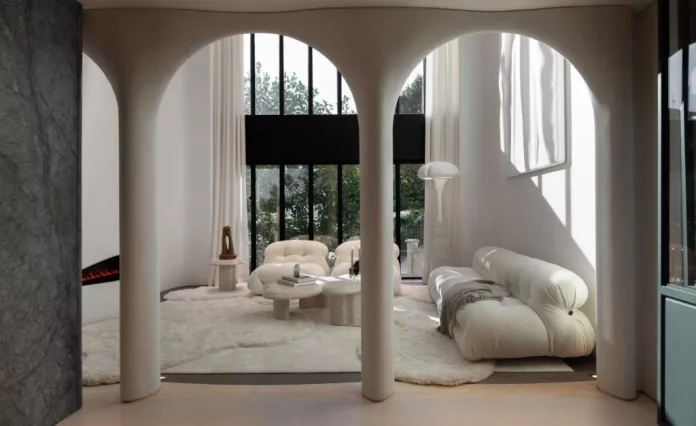
In an era defined by perpetual connectivity, sensory overload, and the relentless hum of the digital age, the concept of luxury has undergone a profound transformation. It is no longer found in excess, ostentation, or the glittering veneers. Today, the ultimate luxury is silence. Enter the defining interior design movement of the year: Monastic Minimalism.
Far from a call to religious devotion or punishing asceticism, this emerging aesthetic is a deeply human response to modern overstimulation. It serves as an architectural antidote to urban chaos, transforming homes into sacred spaces of refuge. Moving definitively away from the clinical “white box” minimalism that dominated the late twentieth century, this new monasticism is intrinsically warm, soulful, and rooted in an ideology of “intelligent restraint.” It invites us to adopt the guiding principles of simplicity, serenity, and intentionality and translate them into peaceful personal spaces that calm the mind.
The Philosophy of Intelligent Restraint
To truly understand the monastic trend, one must look past the superficial idea of deprivation. This aesthetic is not about stripping away joy; rather, it is about purposeful curation. Leading designers forecast this year’s shift as a disciplined approach that eschews noisy maximalist excess while fiercely retaining organic warmth.
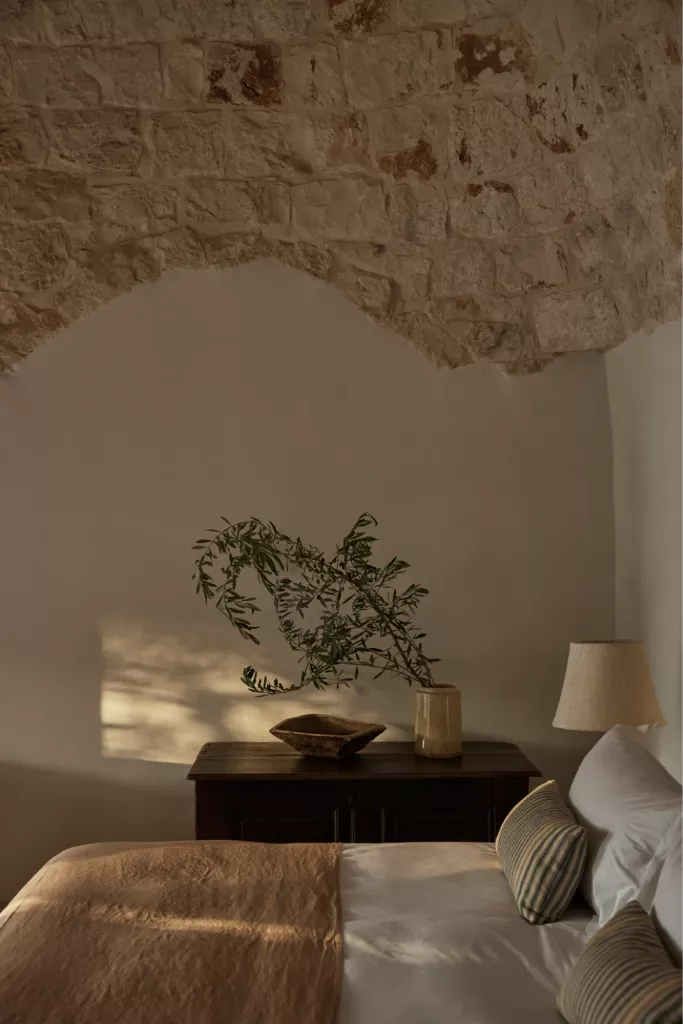
The movement seamlessly marries the Japanese wabi-sabi philosophy of finding beauty imperfection with Western monastic traditions of order, proportion, and rhythmic repetition. It represents an elevated form of urban luxury, one valuing authentic tactility and spatial breathability over superficial ornamentation. In these meticulously pared-back spaces, the eye is untethered, and the mind is finally allowed to rest and wander without distraction.
Celebrating Architectural Honesty
At the heart of monastic interior design is a profound respect for architecture and spatial volume. Rather than filling a room with endless decorative objects, designers celebrate the raw structural integrity of the space itself. Symmetrical layouts, dramatic archways, soaring vaulted ceilings, and exposed timber structures serve as the primary visual interest.
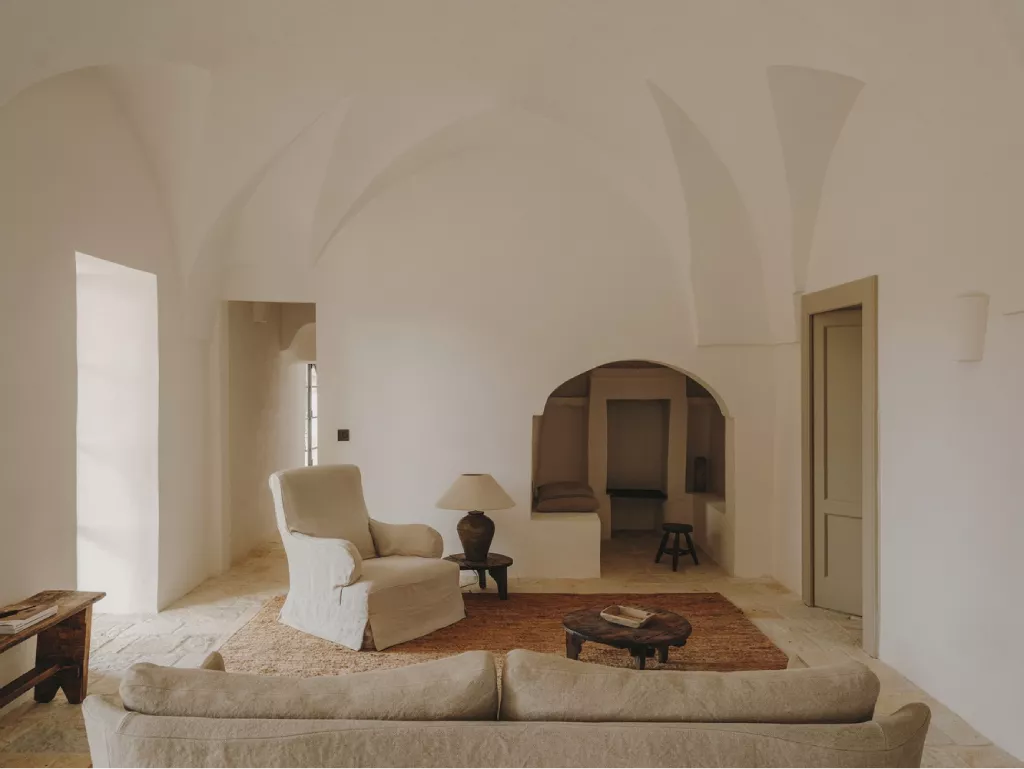
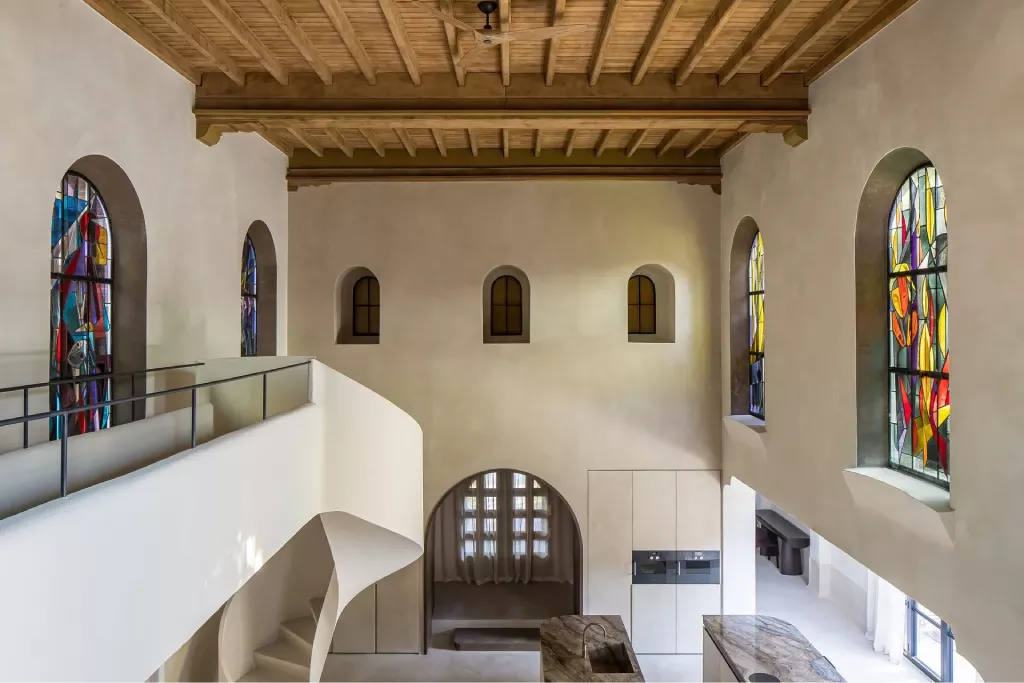
We see this beautifully executed in the works of leading architects converting historical structures into modern sanctuaries. From Studio Andrew Trotter’s 19th-century school conversion in Puglia, which utilizes intact vaulted ceilings covered in traditional lime plaster, to Britt Van Namen’s masterful transformation of a cavernous chapel utilizing flowing staircases and restored stained glass, the architecture is allowed to speak for itself. Even in newly built environments or urban micro-apartments, designers are creating “cloister-like corners” that are intimate & personal.
Material Silence: A Tactile Symphony
In a monastic interior, materials possess undeniable weight, history, and unapologetic honesty. The 2026 trend vehemently rejects highly polished or glossy finishes, turning its back on plastics in favor of the tactile and the enduring. Surfaces are left purposefully unadorned to celebrate their innate, irregular textures.
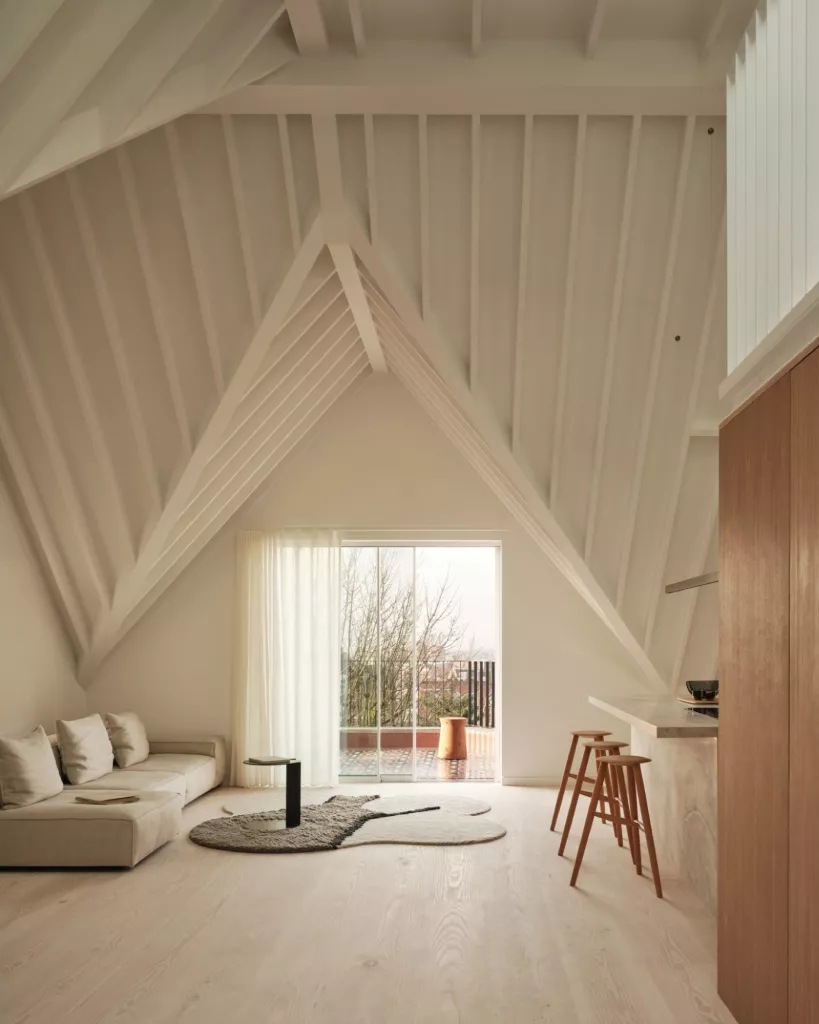
Flooring grounds the space with durable, wide-plank bare floorboards, reclaimed European oak, or unfinished stone that proudly bears the marks of age and use. Walls are treated not with flat, modern paints, but with breathable lime wash, rammed earth, Tadelakt, or chalky plasters that absorb rather than starkly reflect light. The color palette is strictly neutral but incredibly warm: think soft dove greys, unbleached calico whites, pale earthy pinks, and sun-baked honey shades.
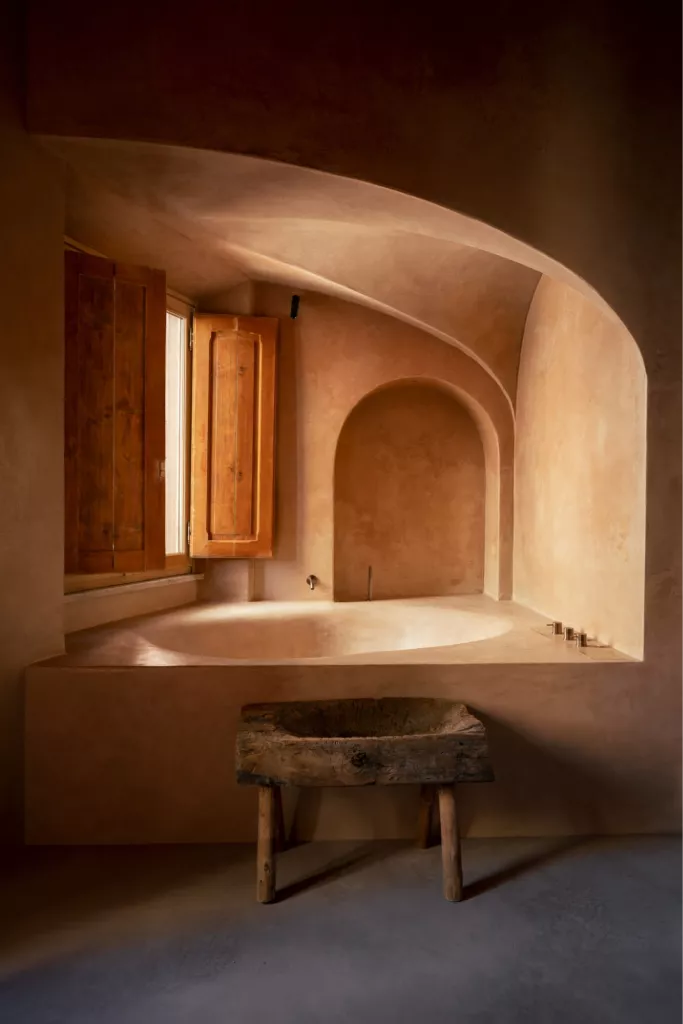
When it comes to textiles and furnishings, this tactility remains paramount. Chunky linen upholstery, heavy wool rugs, and simple unlined drapery add necessary softness. Furniture leans heavily into pronounced, unrefined wood grains carved elm, sycamore, and knotty pine.
The Choreography of Light
Lighting in a monastic space is never an afterthought; it is a vital, sculptural architectural element. The trend forcefully abandons harsh overhead downlighting, looking instead to the moody illumination of traditional cloisters.
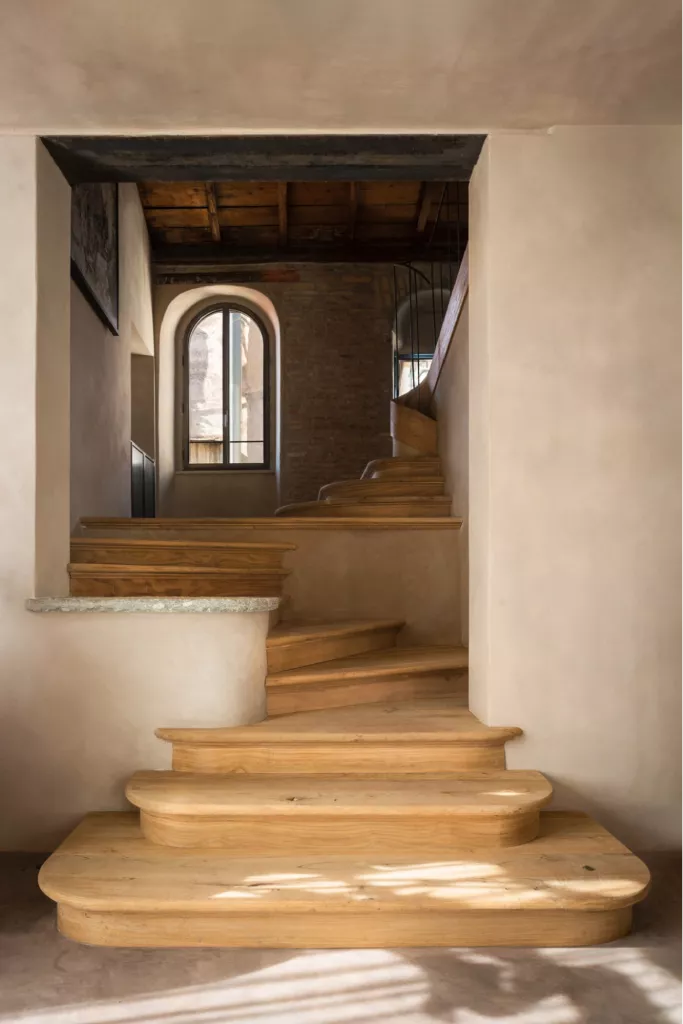
Designers favor indirect, ambient and natural light to create a masterful choreography of light and shadow, leaning into the dramatic artistic technique of chiaroscuro. Clerestory windows and deep-set skylights filter the sun’s diurnal rhythm into the home, marking the passage of time across plastered walls. As dusk falls, spaces are illuminated by wall-mounted sconces crafted from forged wrought iron, cast bronze, or unlacquered brass that will patina beautifully over time.
Utilitarian Elegance: Curating the Void
Monastic minimalism is not minimalism for the sake of an empty room; it is about keeping only what holds intrinsic meaning or serves an uncompromised purpose. Furniture favors function over flourish, characterized by simple, robust silhouettes.
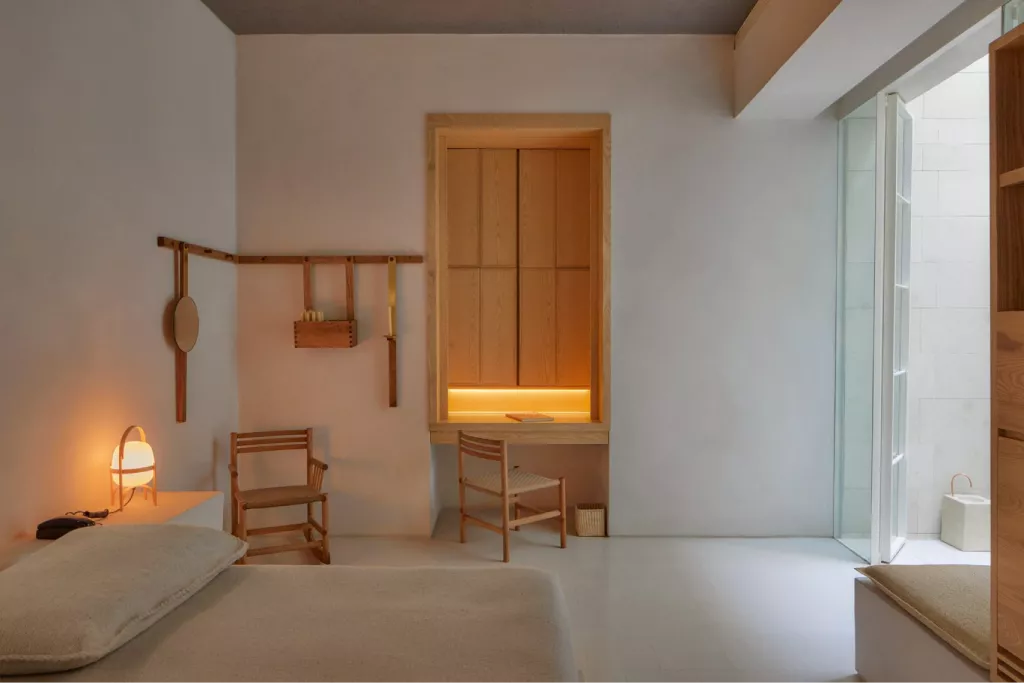
Singular pieces with historical presence add profound character without introducing visual clutter. Solid stone plinths replace delicate side tables. Shaker-style wooden peg rails wrap around rooms to offer practical elegance, and seating prioritizes organic, rounded edges that feel worn by the passage of time. This utilitarian approach extends deeply into functional rooms. Kitchens see a monastic overhaul, with appliances hidden behind floor-to-ceiling oak walls, and islands designed as monolithic stone altars dedicated to culinary craft. Bathrooms resemble ancient bathhouses, featuring sunken stone tubs and minimalist fixtures.
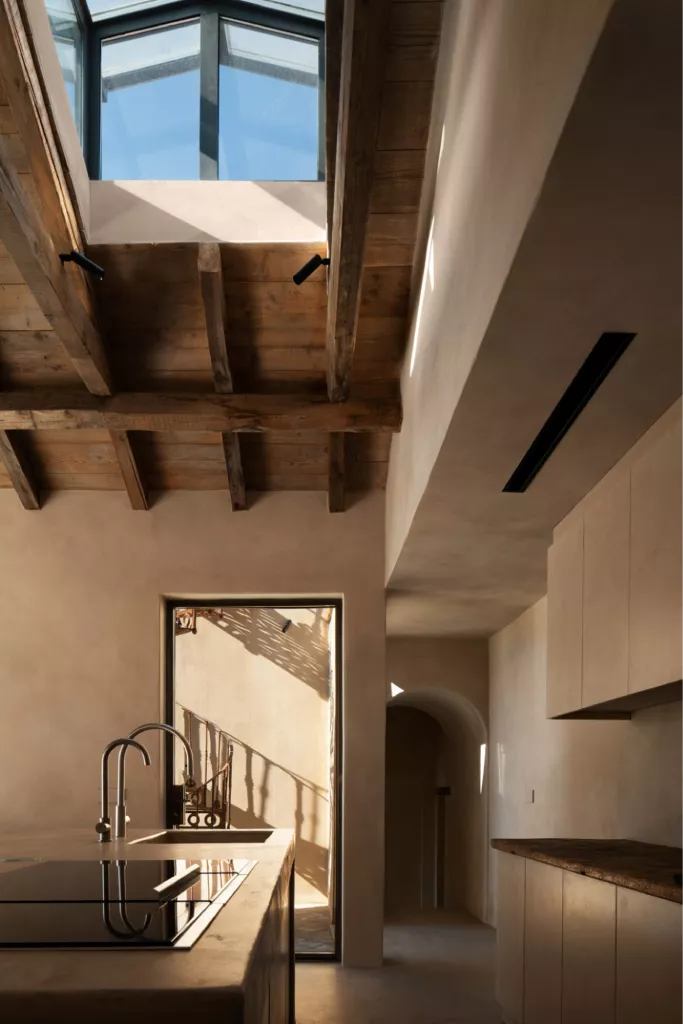
Interestingly, the monastic trend also embraces discreet technology. Rather than eliminating innovation, designers conceal it. Hidden speakers, integrated lighting systems, and silent ventilation maintain the purity of the space while ensuring modern comfort. Technology becomes invisible infrastructure, supporting calm rather than competing with the contemplative environment.
As our global cities densify and our daily digital lives grow ever more complex, the psychological need for a grounding sanctuary has never been more vital. The monastic interior design trend of 2026 is a deeply empathetic response to this modern dilemma.
References
- https://www.dezeen.com/2026/03/01/monastic-minimalism-interiors-lookbooks/
- https://www.forbes.com/sites/kissacastaneda/2026/01/27/7-design-trends-to-note-in-2026-according-to-leading-designers/
- https://www.houseandgarden.co.uk/article/monastic-interior-design
- https://www.homestolove.com.au/decorating/trends/monastic-interior-design-trend/
- https://www.vogue.com/article/monastic-interiors-trend