

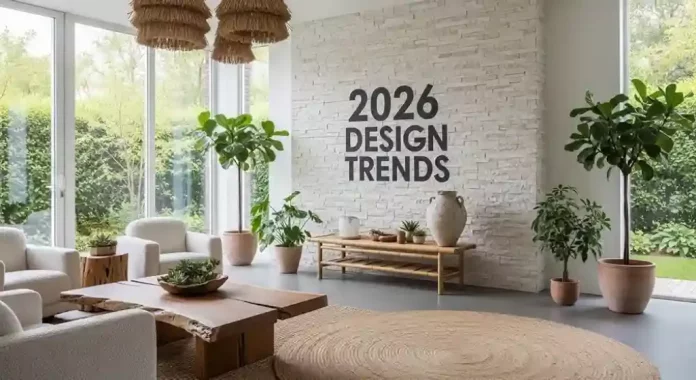
If the early 2020s were defined by a desperate grasp for control manifested in Sad Beige and the relentless rigidity of Minimalist Grey, this year we finally exhale. The architectural zeitgeist has shifted. We are witnessing a departure from the “look” of luxury to the feeling of it. As we move into the spring of 2026, the industry’s leading voices are signaling a return to Material Honesty and Curated Charm.
From Cool Grey to Cremèle and Clay
Let us write the obituary for the All-Grey Interior. It had its run, serving as a neutral backdrop for ages. In its place rises a palette that feels natural, warm, and tactile. Designers are calling it the Cremèle revolution, a shift toward buttery, complex neutrals that act as a warm embrace rather than a cold shoulder. These aren’t the flat creams of the past; they are layered tones of mascarpone, toasted oats, and clarified butter.
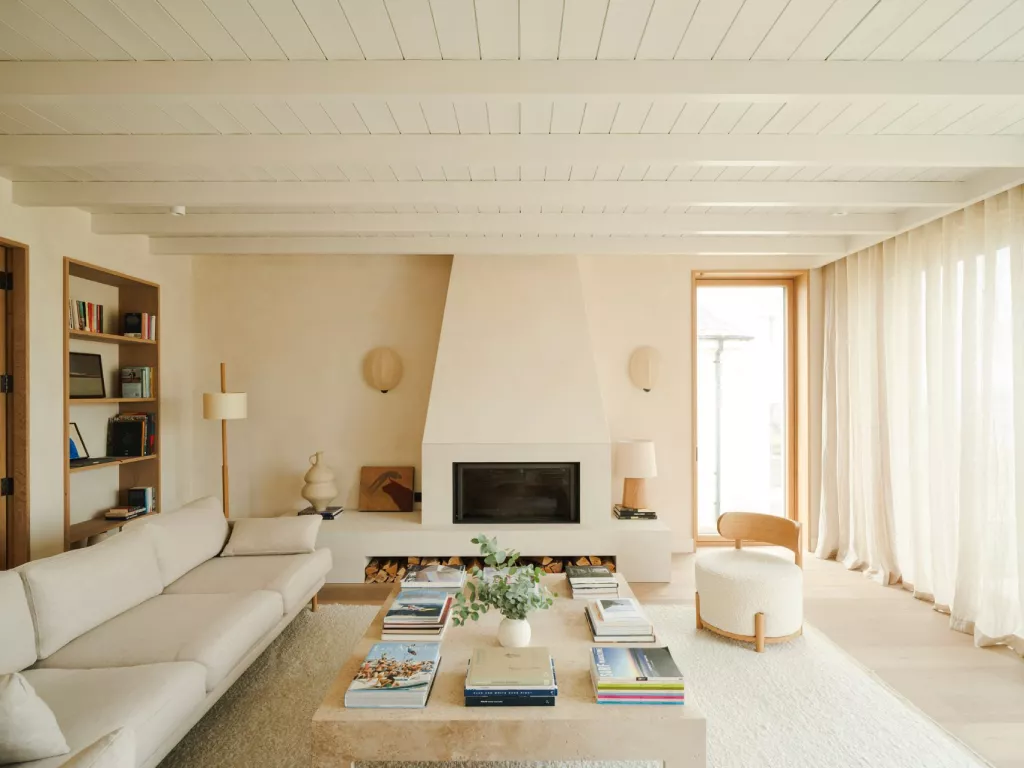
But the real headline is the return of the rustic. We are seeing a Clay and Terracotta Revival that anchors spaces in history. The new luxury isn’t white marble; it is deep, veined Viola marble and Emerald Quartzite that look like maps of undiscovered countries.
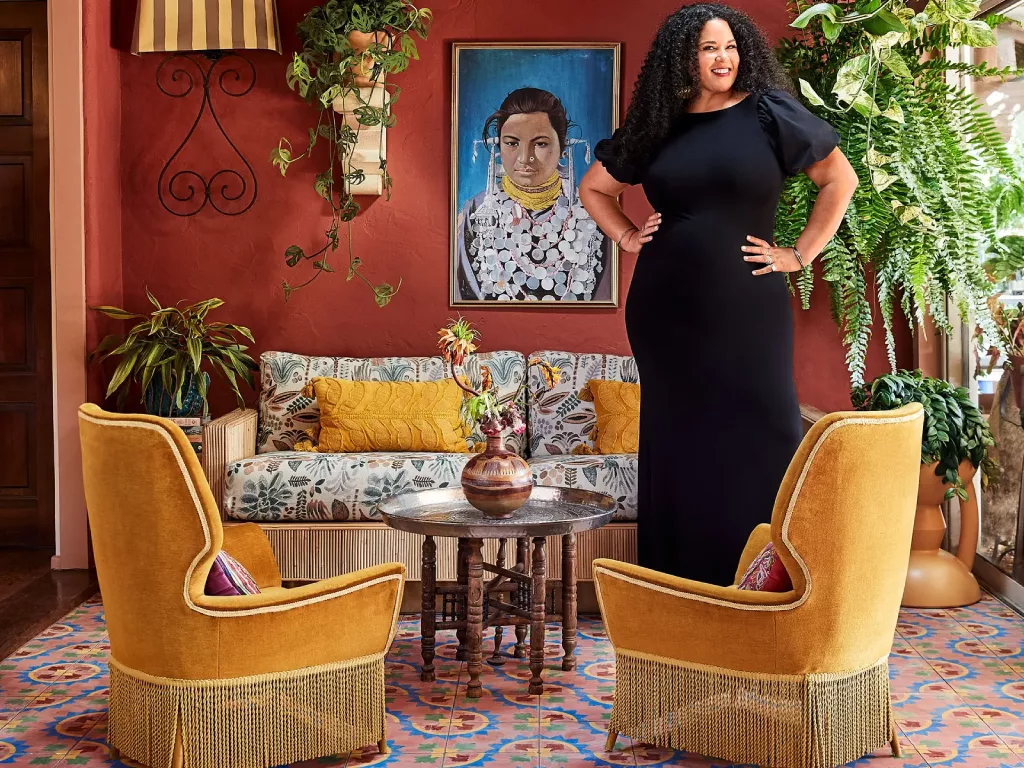
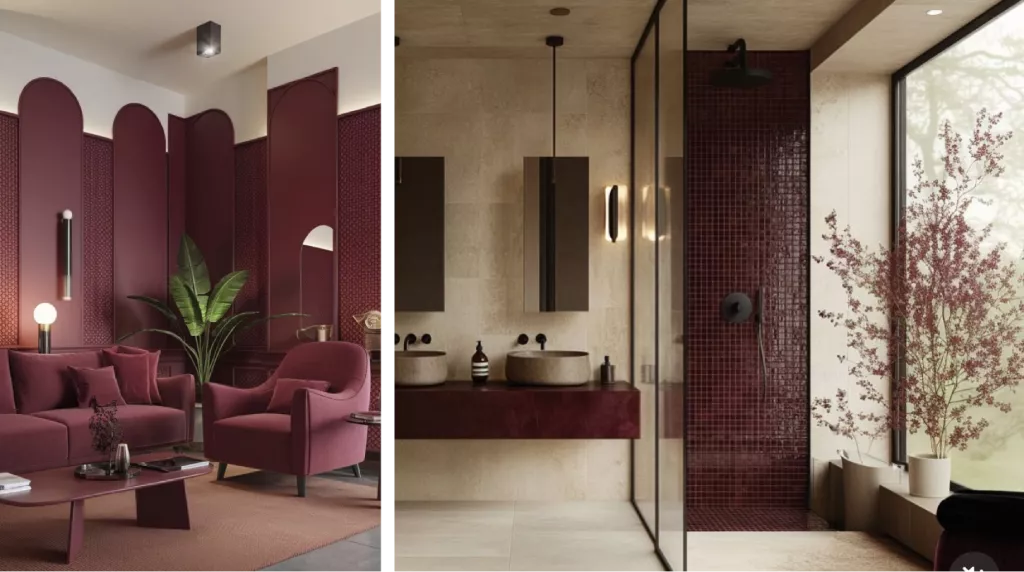
Oxblood (or “Vampire Core”), a rich, coagulated red that adds a layer of gothic romance to the Modern Heritage aesthetic. Instead of stopping at the baseboards, these colors now wrap the entire room, walls, ceiling, and trim all dipped in a single, soulful shade. It’s a technique that turns a standard room into a sensory pod, a seamless envelope of sensation.
Fat Furniture and Algorithmic Ergonomics
If the color palette is warming up, the furniture is softening down. The sharp, mid-century modern legs that threatened to puncture our floors are vanishing. Enter: Fat Furniture.
We are seeing a move toward voluptuous seating, sofas that look like rising dough, armchairs that hug you back. This is called Algorithmic Ergonomics, where data-driven design meets organic fluidity. Using advanced 3D modeling, designers are creating Biomorphic Blobs that support the lumbar while looking like soft cotton candy. These pieces dominate a room not through size, but through presence.
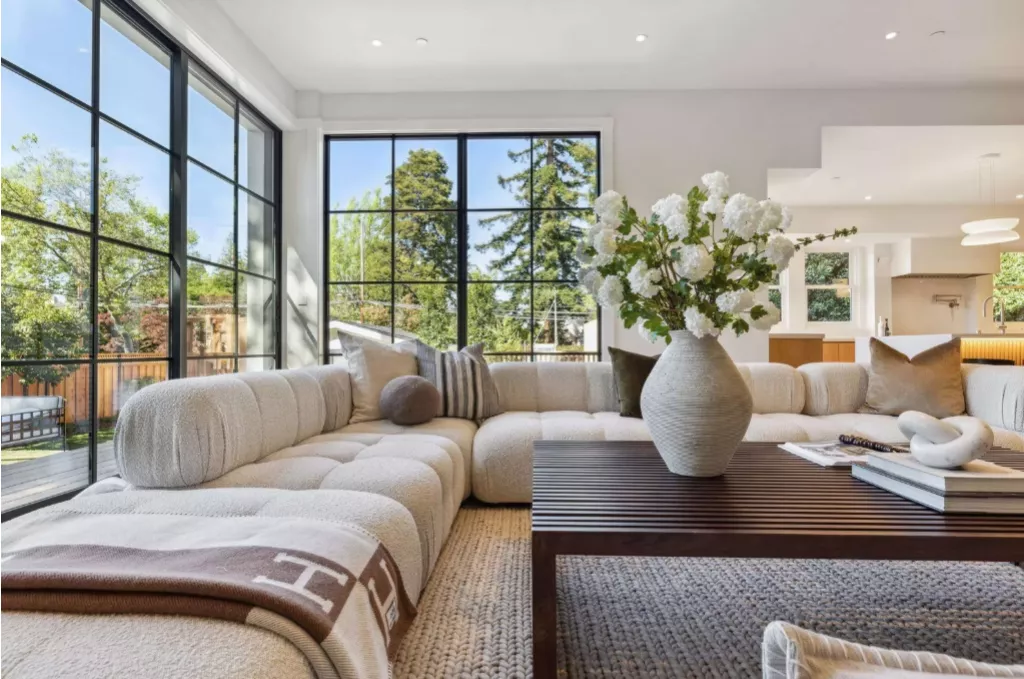
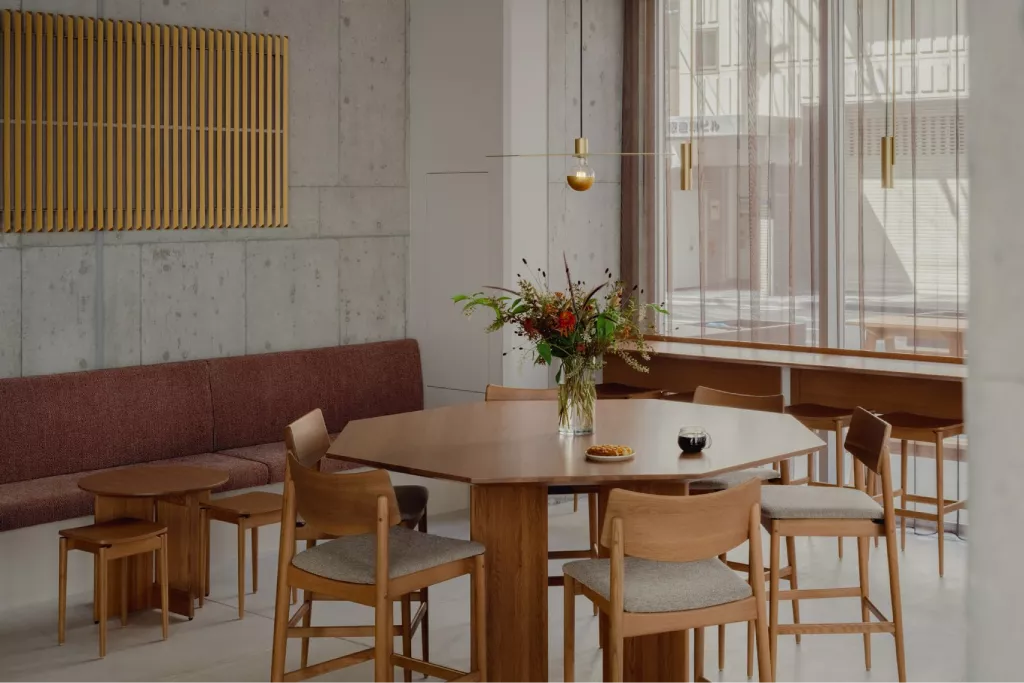
This softness extends to the Organically Flowing Wooden Silhouettes as well. We are seeing wood that ripples, bends, and defies the straight line, made possible by new CNC technologies that allow timber to behave like fabric. Tables no longer have rigid legs; they have roots or pedestals that mimic the growth patterns of ancient trees. It is the marriage of the digital and the elemental, a key theme for 2026.
Material Honesty: The Rough and the Real
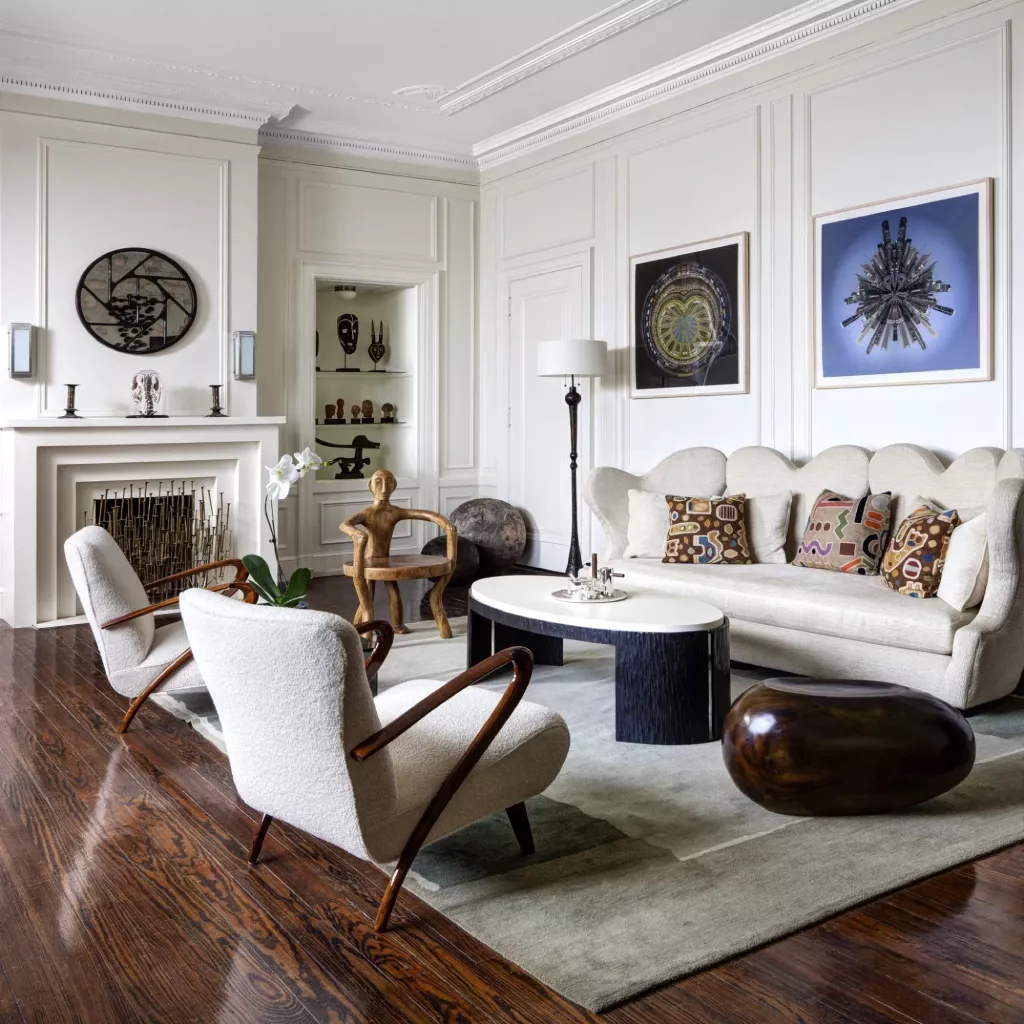
Perhaps the most sophisticated shift is the appreciation for the Rough Finishes. The high-gloss lacquer that screamed new money is being replaced by matte finishes, limewash, and raw textures. The luxury eye is now embracing imperfections.
Even metals are cooling down. While brass had a long reign, 2026 belongs to Silver, but not just any silver. It is Chrome, Nickel, and Spun Aluminum, often treated with a patina that suggests age. It’s the Cool Metal aesthetic, providing a sharp, futuristic contrast to the warm, chocolate-brown velvets and linens draped nearby.
The Micro-Movements
True luxury often lies in the idiosyncratic, and 2026 is full of “weird” micro-trends that signal personality over conformity.
Grandma Crafts & Nostalgia
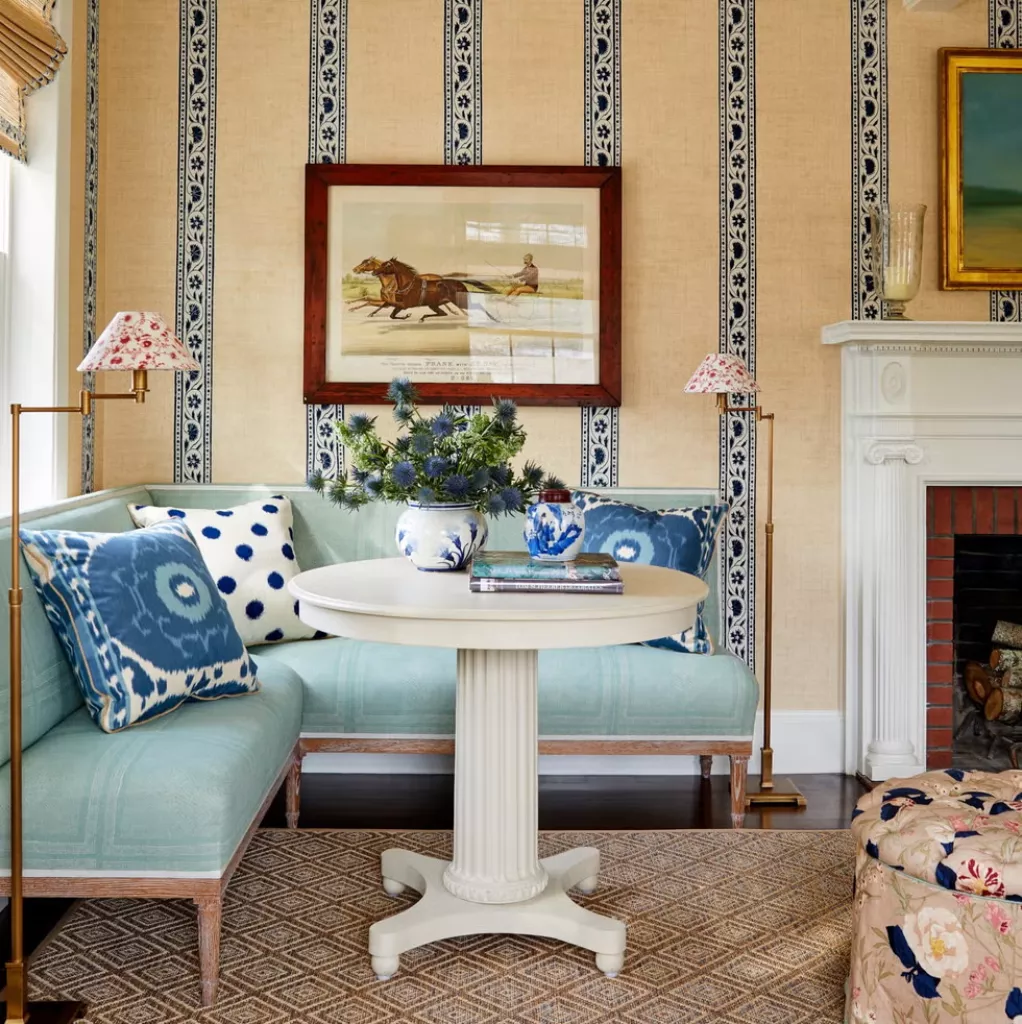
In an AI-saturated world, the analog becomes precious. “Grandmacore” crafts like embroidery on wood, are being elevated to high art. We are seeing hand-stitched wall arts and crocheted wire light fixtures.
The Front Yard
Finally, the front yard is no longer just a patch of grass to be mowed; it is a social space again. Homeowners are installing gravel fire pits and conversational herb gardens in front of their homes, reclaiming the street-facing space as a place for community engagement.
Micro-Libraries
Books are being used as architectural elements. Not just on shelves, but stacked as side tables or tucked into the risers of staircases. In 2026, a house without a physical book is considered intellectually naked.
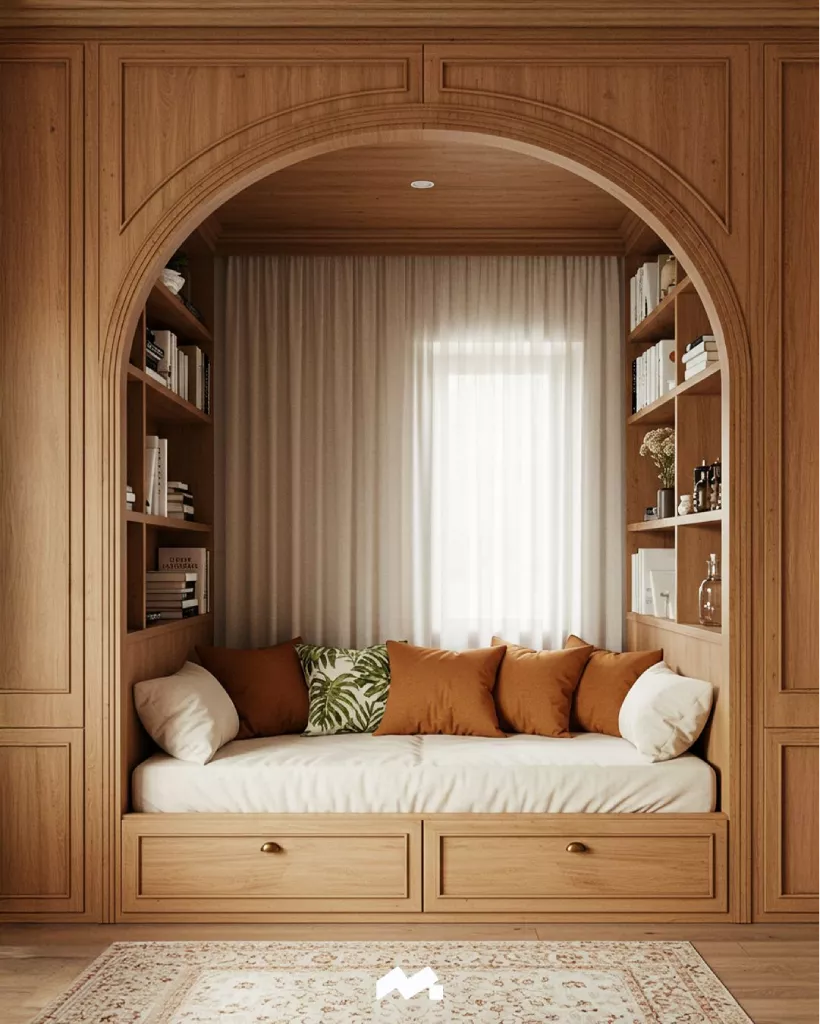
Beyond the visual, 2026 is the year we design for the other senses as well. Acoustic Softening has become a primary concern. Designers are utilizing felted wall panels, heavy velvet portieres, and cork flooring to create Quiet Zones.
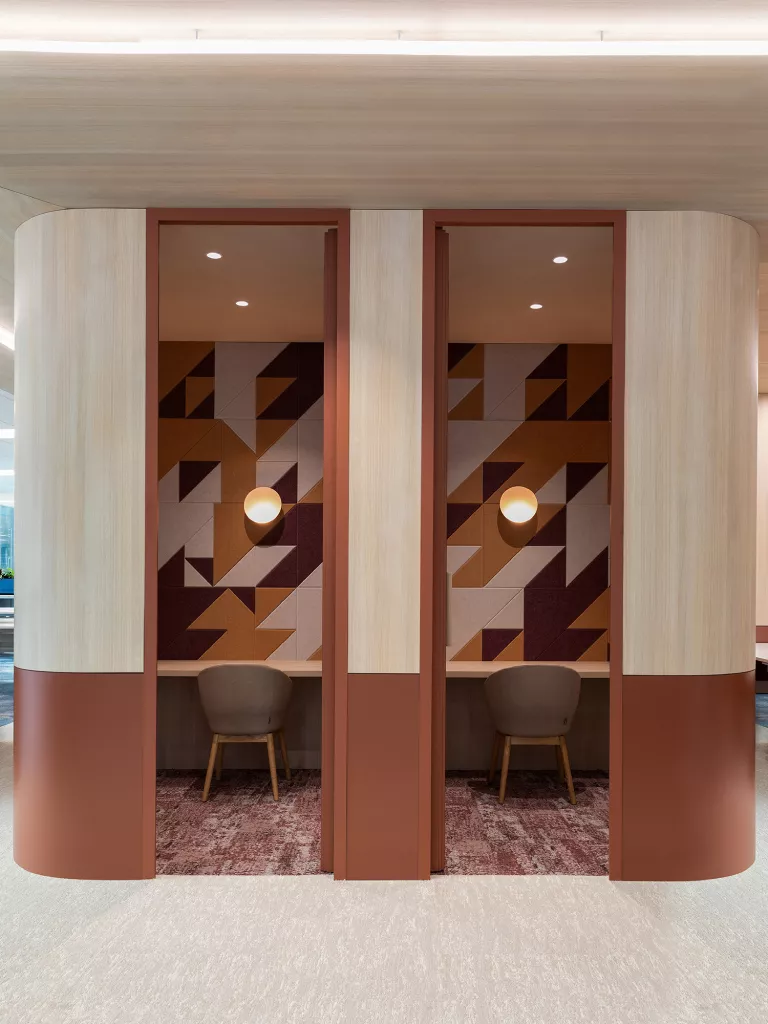
This year Scent & Architecture come together to make interior spaces more personal. This involves integrated HVAC diffusion systems that are customized to suit the time of the day. Invigorating citrus and crushed mint for the mornings, and smoky, oud-based notes for romantic evening dinners. It is an immersive approach to living where the environment adapts to the inhabitant’s circadian rhythm.
The interior design trends of 2026 are a direct response to a world that feels increasingly transient and digital. As AI generates a billion perfect images a day, the human eye has begun to crave the un-generated: the knot in the wood, the thumbprint in the clay, the slightly off-kilter antique. In 2026, we aren’t just decorating; we are mindfully grounding ourselves.
References
- https://www.homesandgardens.com/interior-design/living-rooms/dated-living-room-trends-2026
- https://www.housebeautiful.com/design-inspiration/a69484298/2026-interior-design-trends/
- https://www.vogue.com/article/color-trends-2026-interior-design
- https://www.dezeen.com/2026/01/06/interior-design-trends-2026/
- https://www.veranda.com/home-decorators/design-trends/a70237289/spring-2026-design-trends/
- https://www.architecturaldigest.in/story/biggest-interior-design-trends-for-2026/
- https://landhuisresidential.com/blog/interior-design-trends-2026
- https://www.homesandgardens.com/interior-design/grandma-chic-aesthetic
- https://www.maisonflaneur.com/blogs/flaneur-magazine/not-your-grandmother-s-decor-how-to-style-your-walls-with-plates
- https://www.tribecaprintworks.com/2026-framing-trends/
- https://www.southernliving.com/2026-garden-design-trends-11829748
- https://pricklyeds.com/life-in-the-garden-blog/f/whats-hot-and-whats-not—the-ultimate-garden-trends-for-2026