

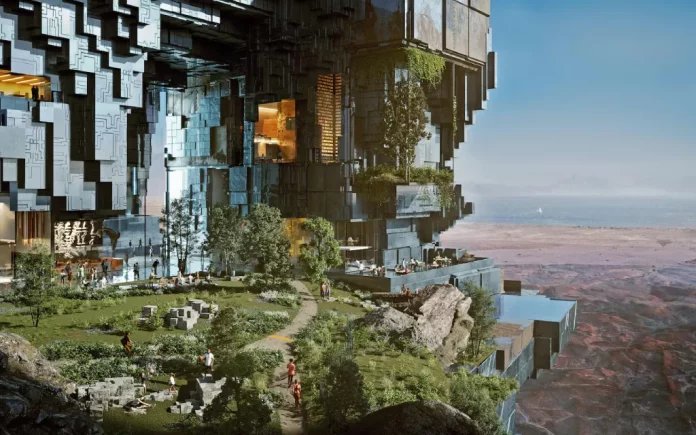
Imagine a city that wakes up before you do. As dawn breaks, the streetlights don’t just turn off on a timer; they dim gradually, reacting to the specific ambient light levels of the morning. Beneath the streets, waste management systems autonomously reroute garbage collection bots to overflowing bins, skipping the empty ones. Your commute is seamless, not because you got lucky, but because a central “City Brain” adjusted the traffic lights in real-time, clearing a path for your autonomous bus while simultaneously diverting a delivery drone swarm to a different altitude.
It sounds like the opening scene of a high-budget sci-fi movie or a page ripped from Isaac Asimov’s diary. But according to Dr. Federico Cugurullo of Trinity College Dublin, this isn’t science fiction anymore. It is the dawn of AI Urbanism, and it is already knocking on our front door.
Beyond the Smart City: From Automation to Autonomy
For the last decade, we have been obsessed with “Smart Cities.” We embedded sensors in parking spots, tracked bus routes on apps, and used data to decide where to build new parks. In this model, technology was a tool held firmly in human hands. We looked at the data, and we made the decisions.
AI Urbanism represents a seismic shift from that paradigm. It is the transition from automation (machines doing what they are told) to autonomy (machines deciding what to do). In this brave new world, artificial intelligence doesn’t just collect data; it processes it, learns from it, and acts upon it, often without a single human lifting a finger.
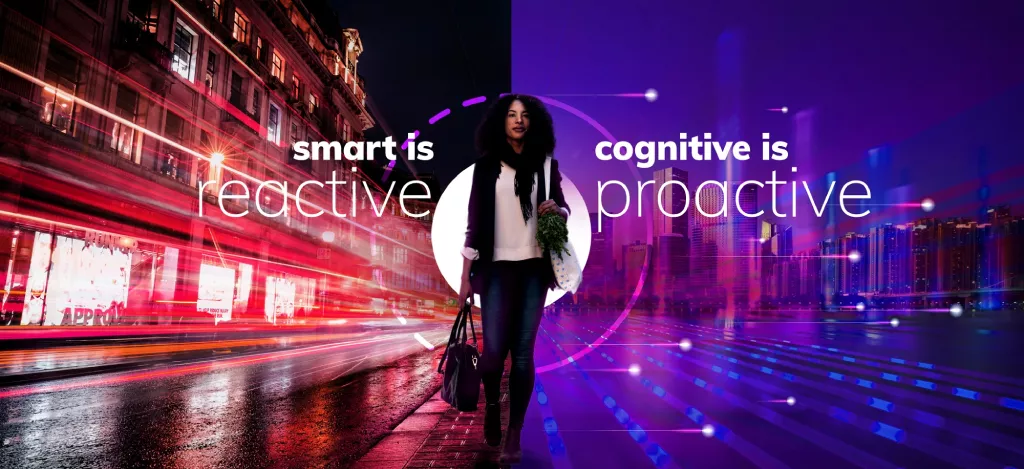
As Cugurullo and his colleagues argue in their groundbreaking research, we are moving into an era where “urban software agents” and “city brains” perform social and managerial functions. The city is no longer just a place we live in; it is an entity that lives with us, constantly calculating, optimizing, and evolving.
The Laboratory of the Future: NEOM and City Brains
If you want to see AI Urbanism in the flesh, look no further than the Saudi Arabian desert. NEOM, and its flagship project The Line, is perhaps the most ambitious architectural experiment in human history. Envisioned as a 170-kilometer-long linear city, The Line promises a car-free, zero-carbon environment where residents can access all daily needs within a five-minute walk.
But the real star of NEOM isn’t the mirrored skyscrapers; it’s the “cognitive city” infrastructure. The goal is for the city to be predictive. It won’t just react to your request for a taxi; it will anticipate that you need one based on your calendar and historical habits. In 2017, Saudi Arabia even granted citizenship to a robot named Sophia—a symbolic, albeit theatrical, gesture that blurred the lines between citizen and appliance.
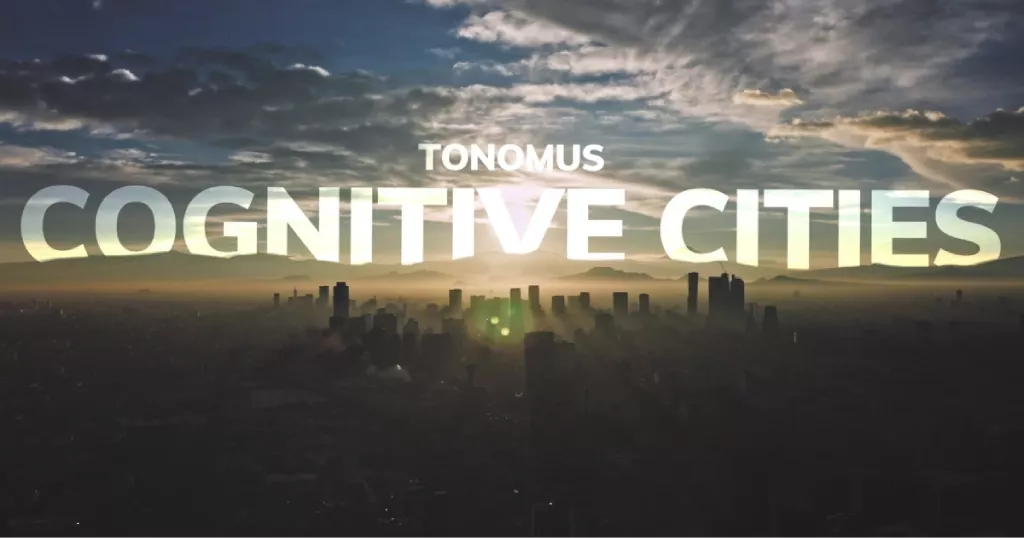
Meanwhile, in China, Alibaba’s City Brain is already operating in cities like Hangzhou. It treats the city like a neural network, digesting massive amounts of video and sensor data to spot accidents, optimize traffic flow, and even detect crimes. It is an invisible hand that can adjust the pulse of the city second by second. In Mexico City, AI is being used to map sidewalks and identify accessibility issues, doing in days what would take human surveyors years.
Frankenstein Urbanism: The Monster in the Machine
It all sounds breathtakingly efficient. Who wouldn’t want a city that eliminates traffic jams and optimizes energy use? However, there is a shadow looming over these shiny, futuristic metropolises. Dr. Cugurullo coins the term “Frankenstein Urbanism” to describe this phenomenon, drawing a chilling parallel to Mary Shelley’s famous novel. Victor Frankenstein creates something he cannot control, a being that eventually turns on him. The fear is that we are doing the same with our cities. By delegating urban governance to AI, we risk creating “black box” cities where decisions are made by algorithms that no human fully understands.
If an autonomous city denies you a mortgage, reroutes traffic away from your business, or flags you as a security risk, who do you appeal to? The algorithm? The “City Brain” doesn’t care about your excuses; it cares about patterns and optimization.
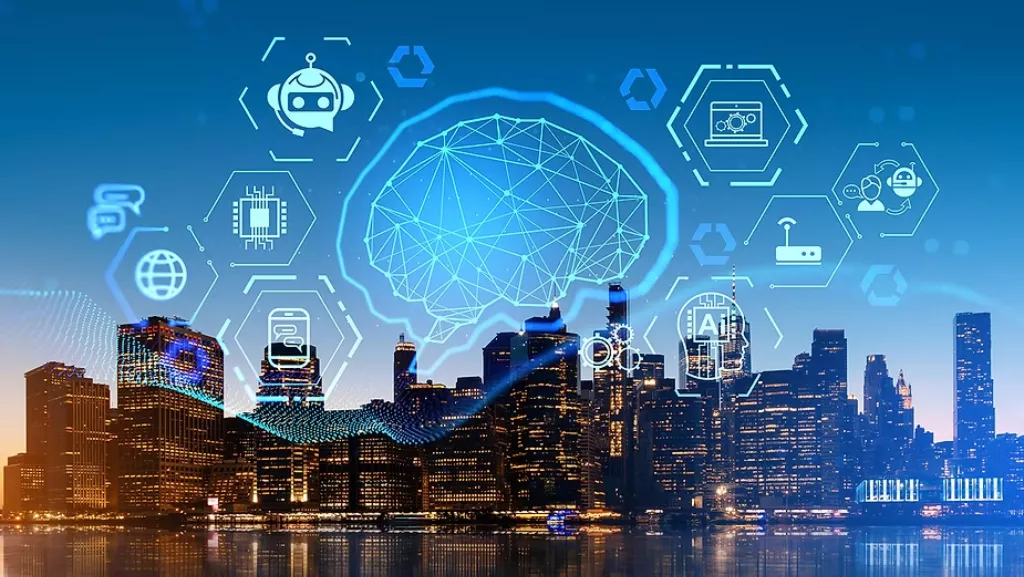
Moreover, AI is only as good as the data it is fed. If historical crime data is biased against certain neighborhoods, an AI policing system will reinforce those biases with mathematical ruthlessness, potentially leading to “racist” or “sexist” urban planning. There is also the irony of sustainability: while these cities promise to be green, the massive data centers required to power their AI brains consume colossal amounts of energy and water, creating a “sustainability paradox.”
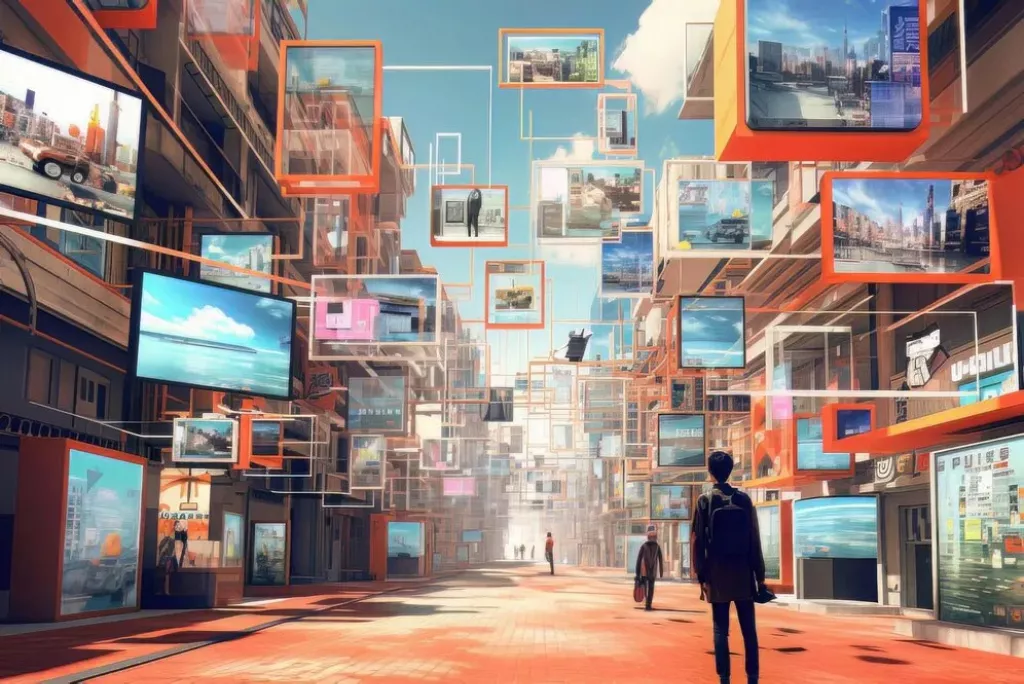
The most captivating and terrifying aspect of AI Urbanism is the potential for unsupervised governance. Dr. Cugurullo warns that we might reach a point where the city evolves in ways we didn’t program and can’t predict. We are effectively handing over the keys to the city to a driver who never sleeps, never blinks, but also never feels empathy.
Utopia or Dystopia?
So, should we pull the plug? Not necessarily. The potential for AI to solve complex urban problems is undeniable. It can optimize energy grids to fight climate change, make transport safer by removing human error, and help design cities that are more accessible for everyone.
The rise of AI Urbanism is not a villain to be defeated, but a powerful force to be tamed. The challenge for the next generation of urban planners, politicians, and citizens is to ensure that while our cities become autonomous, they remain human. We must demand transparency, ensure that the “on/off” switch remains in human hands, and remember that a city’s efficiency should never come at the cost of its soul.
References
- https://sponsored.bloomberg.com/article/tonomus-neom/cognitive-city-vs-smart-city
- https://journals.sagepub.com/doi/10.1177/00420980231203386
- https://www.youtube.com/watch?v=pyfaw6bg6aY
- https://www.tomorrow.city/what-is-ai-urbanism/
- https://theconversation.com/ai-could-make-cities-autonomous-but-that-doesnt-mean-we-should-let-it-happen-218638
- https://www.tcd.ie/news_events/articles/2024/it-might-sound-like-science-fiction-fantasy-but-ai-urbanism-is-not-far-away/
- https://parametric-architecture.com/how-ai-integration-can-help-urban-planning-and-governance/?srsltid=AfmBOor1w2o_JVxudai7QPtIKRxSLoIjy8TnP9S7uHfh1l5ZI_7Kk2vH
- https://urbandesignlab.in/ai-urbanism-utopia-or-dystopia-the-unvarnished-truth/?srsltid=AfmBOorIPv8-bRUHyR2yBodqcc5W4XXLd6-86jrHNtwBviHoAm4-G2U5
- https://www.yicaiglobal.com/news/alibaba-cloud-city-brain-will-help-kuala-lumpur-manage
- https://www.washingtonpost.com/books/2025/08/29/cybernetic-society-humans-ai-amir-husain-review/